
Image courtesy of Sissey
Cape Town, South Africa: A study abroad investigation. April 2014, Semester At Sea.
Cape town. The lush land of unexpected and natural beauty, gifted with a combination of water, land, and cloud. It’s hot outside, but I don’t care. I’m excited to spend time with the orphans. My eyes view a hazy fog as it hugs the mountaintop like a guardian angel. Table Mountain, the massively mean fortress that appeared cruel to me at first, later became a friend after hiking its rocky staircase to the rewarding view on top.
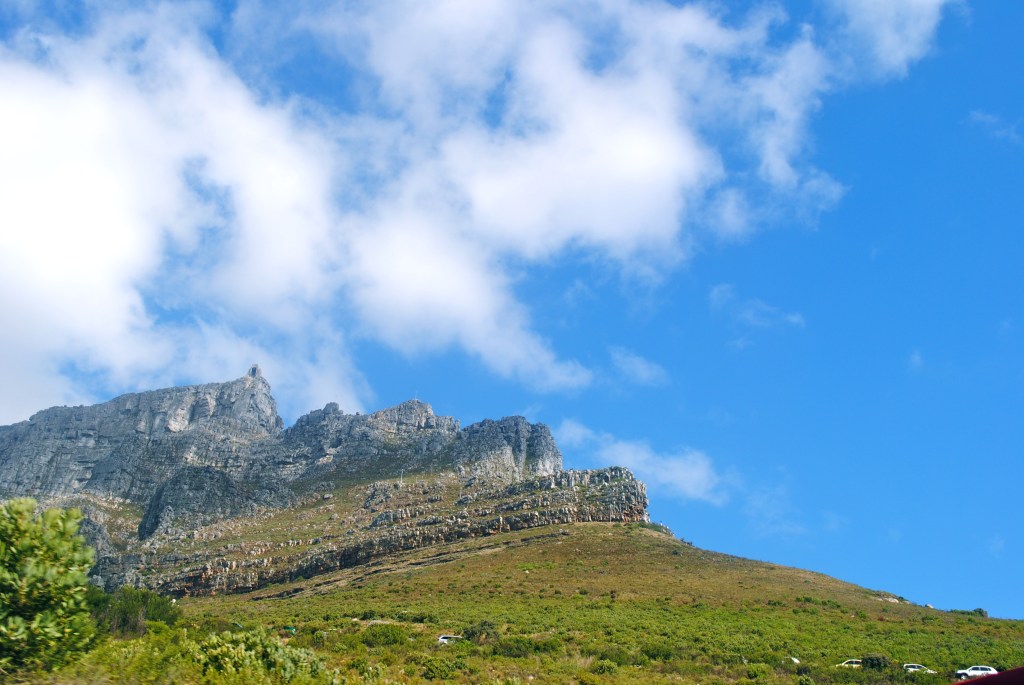 Table Mountain, Image courtesy of Sissey
My leg muscles were still sore from a straining seven-hour hike. Included was a brief break of peanut butter and jelly sandwiches in a quaint meadow, before heading back up the natural staircase that beckoned me. When I was at the top, I could view tiny houses scattered amongst the valley.
And now, I was there.

Table Mountain, Image courtesy of Sissey
The township was like a jungle. Imagine this: endless fields scattered with colourful scraps of metal, pounded together in various shapes and sizes to create what 1.5 million South Africans call their home. Everyday people live in these underdeveloped areas that don’t even have basic electricity or sewerage systems, and it’s been an ongoing problem for years.
I spotted a building with the simple words “Baphumelele Orphanage”.
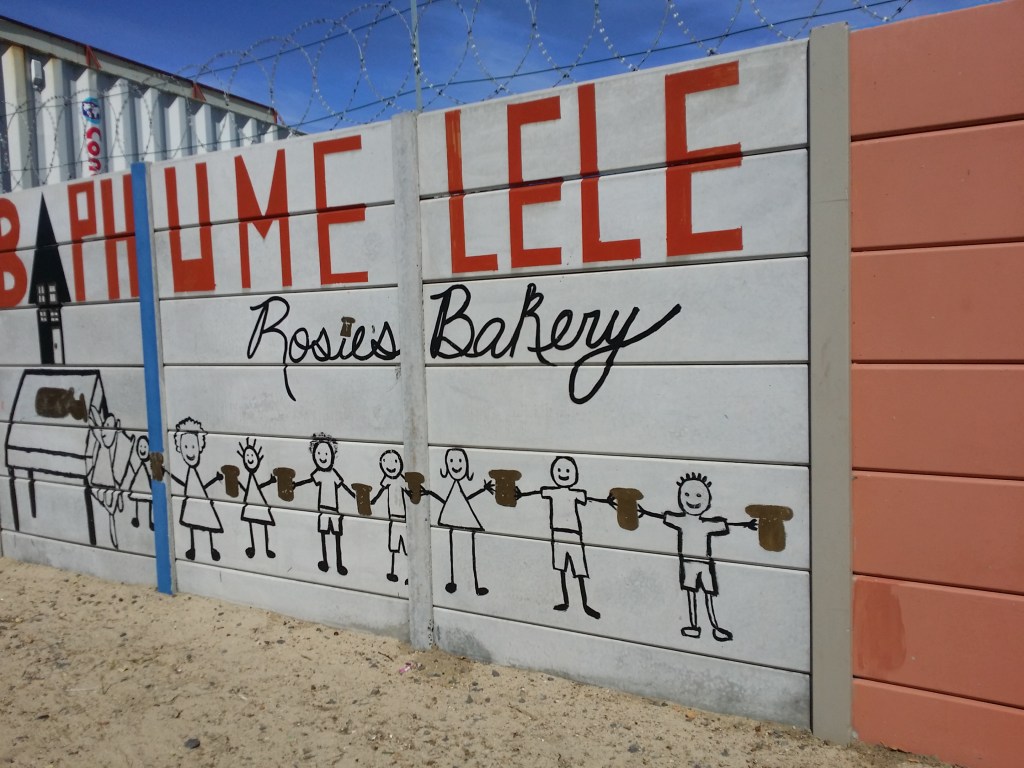
Image courtesy of Sissey, Baphumelele Orphanage
We had reached our destination. Arriving inside, the children were sleeping sweetly. I crept around them softly because I didn’t want to wake them. They were super adorable—a young girl startled me as she began to cry in her sleep, her eyes still closed with tiny tears trickling down her cheeks. Her caretaker nearby whispered and explained “she’s having a bad dream.” I got the notion that the caretakers knew the kids so well, as if they were their own.
I thought back on my recent visit to the Dieu Giac Pagoda Orphanage in Vietnam.
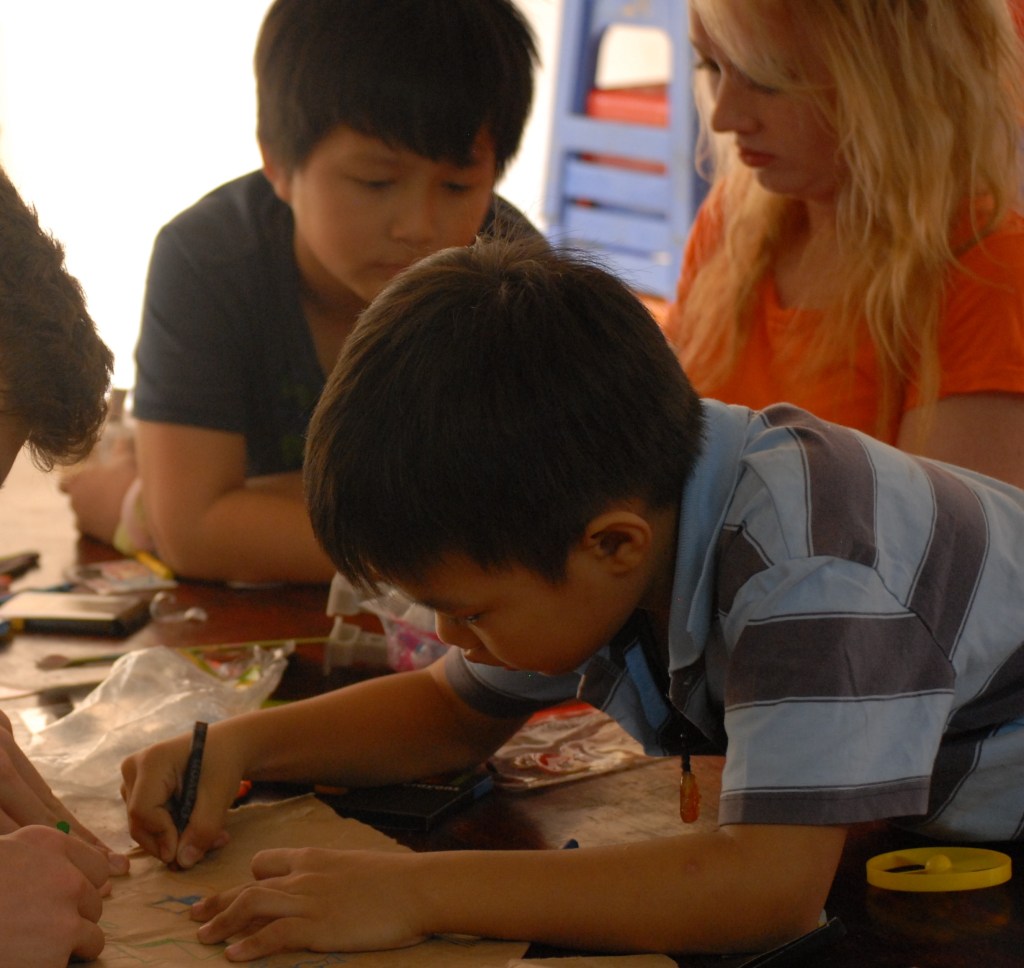
Image courtesy of Sissey
There were so many young kids who had parents that were unable to care for their kids. It broke my heart into pieces realising they were left abandoned on the street or at the doorstep of an orphanage. I’ve learned time and time again that service visits are not a comfortable experience. They aren’t meant to be comfortable—they’re meant to stretch you like a rubber band. At this orphanage and so many others I had visited, they apply the ideals of having a more family-feel atmosphere, like a foster home, rather than an orphanage.
Image courtesy of Sissey
These kids were raised by monks who were volunteers, along with male volunteers, who could provide a good “fatherly figure” for the kids to look up to. I could tell that they were very capable of social relationships, but still, many of the kids had a hard time adjusting. Some of them were shy, as if bottling up their feelings that they were trying to hide.
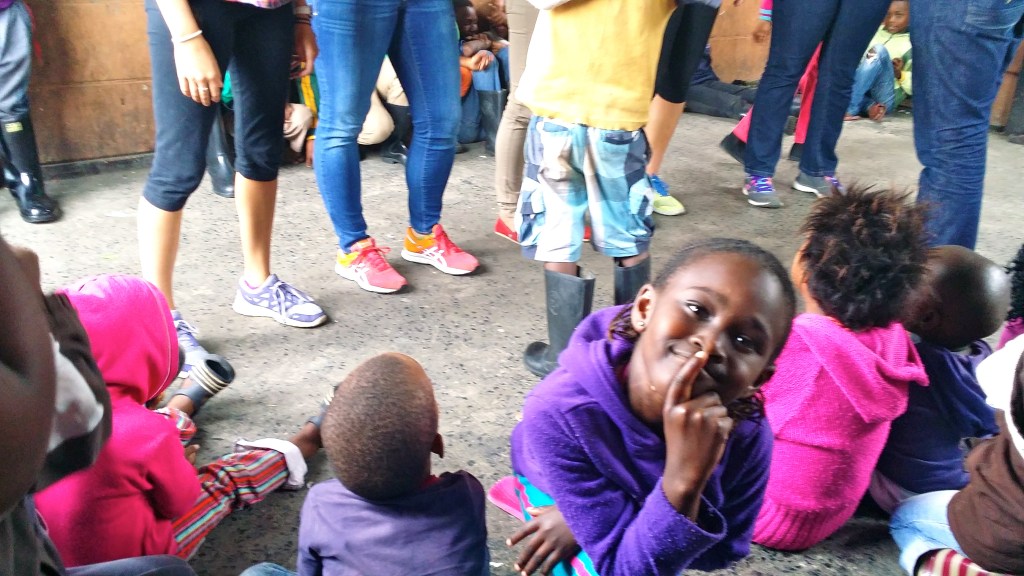
Image courtesy of Sissey
The kids kept sleeping soundly. I was disappointed because there were colouring crayons on the table, games in the cupboard and picture books waiting to be opened. Even so, we had to continue our journey. I waved to the silent sleepers and jumped on the bus that rumbled towards the sight of a sign in the middle of the township. It read “Nonceba”.
Stepping inside, a man with a gentle smile, white hair, and large spectacles was at the door, offering his hand as we filed out of the bus. Ushered inside I noticed stashes of peculiar rainbow-coloured plush dolls with hand-sewn hearts on their chests leaning against the walls happily. The lights dimmed, and we began to watch a video projected on plain white walls. It showed young babies—children—those homeless on the streets and even those with family members under the threat of AIDS. Like an ugly weed leaving a deadly trail, HIV and AIDS wrecks the lives of so many innocent people. This is a threat even to young children like I had seen earlier, those who would have been on the streets if it weren’t for the orphanage who took them in. My heart was heavy during the movie while statistics filled my head, and I kept watching the film with wide eyes. It told of how the center was founded under the leadership and inspiration of a young girl—only 16 years old from South Africa—who had died after a tragic vehicle accident. But she left a legacy of helping spread this awareness.

Image courtesy of Sissey
Towards the end of the video, children clutched dolls firmly to their hearts. It was a symbol and a reminder, I realised, that they could always come back to the shelter for support. My eyes swelled at the thought. I was in a land that screamed so much potential and beauty, yet the worst of crimes continue. I was glad to know that places like Nonceba—this small, yet powerful shelter—was a beacon of light that continued to stand strong.
Our group hopped onto the bus to then bike through the township. Before our trek, we were given handfuls of pencils and toothbrushes to distribute freely on our ride. I soon hopped onto a bike and began pedaling through one of the largest townships of South Africa: Khayelitsha.
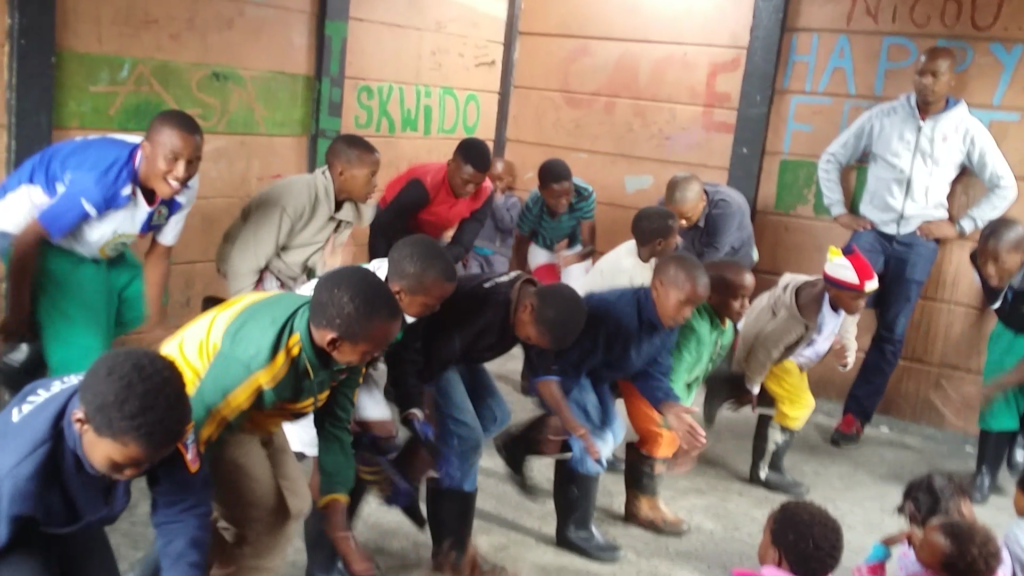
Image courtesy of Sissey
My ears were greeted by shrieks and giggles. They were the voices of children. Like jumping on a giant trampoline they surrounded me, dust swirling like mini cyclones at their feet. A flood of questions came.
“You brought toothbrushes?”
“Ah, may I have pencil, please?”
“Can we take photo?”
“May I see your camera?”
I hopped off my bicycle before I could get clobbered by the little ones and distributed my toothbrushes. One after another the children started taking dozens of selfies with my phone, posing with all sorts of hand gestures like “I love you” and “peace.” I noticed a tiny girl, about the age of five, looking shyly to the ground. She wore a pink flowered T-shirt and a denim skirt. I waved at her.
“What’s your name?” I asked. Her chocolaty dark eyes smiled at me. She tilted
her round face upward like sweet summer sunshine.
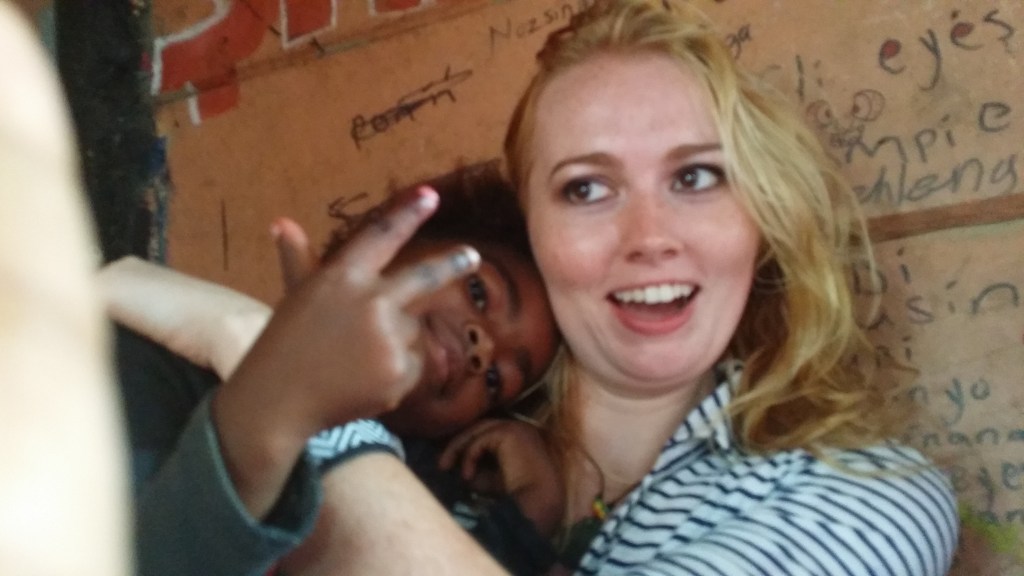
Image courtesy of Sissey
“Nando,” she replied simply, and stretched her arms out wide for a hug. Nando wrapped her tiny tender arms around my neck and squeezed me close, like the plush doll I saw earlier at Nonceba. I spun her around, as if old friends.
If there’s one common trait I’ve noticed among the service visits around the world, it’s the fact that the children I encountered don’t seem to mind if I’m a complete stranger. They just want to be held by someone.
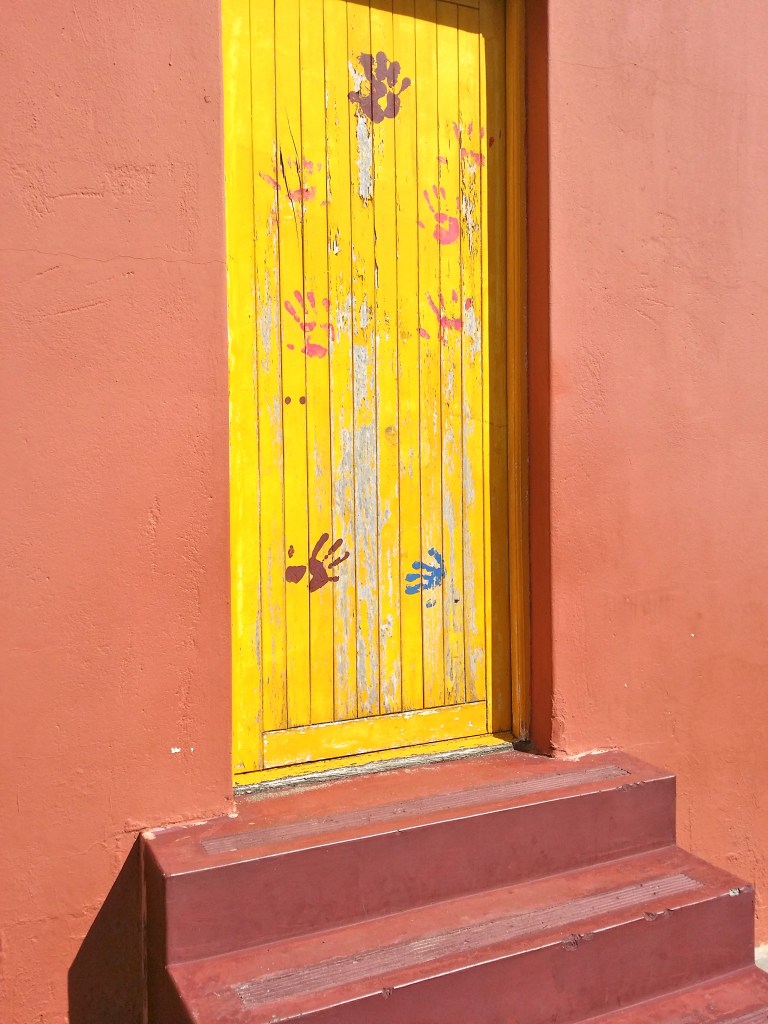
Image courtesy of Sissey
I began walking through the township, following my guide and service companions as I bounced Nando on my hip. The smell of freshly grilled lamb drifted through the air on open fires. Colourful laundry fluttered in the wind and girls with elegantly braided and coiled hairstyles socialized with their friends near a brightly painted purple shack. The hand-painted sign read “Hair Salon. Dreads.” Young, wide eyed boys sat parked in their cars on neutral, blasting upbeat music on their stereos with doors open wide, no air conditioning. My ears detected the native tongue of “Xhosa” being spoken. If you try clicking your tongue as if urging a horse to “giddyup” and say “Xhosa” by replacing the letter “x” with the clicking sound, you’ve yourself a grand tongue twister.
Everything appeared to be happening outside. Talking, cooking, buying, selling,
dancing—you name it, it was happening. It was like a party to me. Yet I could detect this sharp mixture of poverty versus plenty. Young men in stylish jeans waltzed on crumbling sidewalks. A Shell station was right next to a heap of garbage. Satellite dishes were mounted on top of tin rooftops, and I spotted a flat screen TV inside a shack. Still, among these harsh living conditions, I noticed that one common trait was contained in all the orphans I encountered. Their joy is so contagious. Their love for life bubbles up and over. Hugs, smiles, selfies. You can’t help but pickup the joy that they hold. All of these are moments you capture instantly in your heart, and it’s a memory I feel the kids capture in their hearts, too.
I thought about my recent visit to Ghana. The kids I met had the most infectious joy and love for life. They were natural dancers, moving to the beat like they were part of the drum. When I arrived after being tossed around in a buss passing rural potholes, the kids were so excited to see us. At the City of Refuge, I visited the Freedom Center, where trafficked children are saved from slave labour in Accra, Ghana. Muscular arms and rough hands spoke of the long, endless work hours on even the younger children. When they came to the center they were often dazed and worn out, not even able to adjust to childhood. But ever so slowly, they grasped again the meaning of being a child.
So far, my mission has been to visit as many orphanages around the world as I could. I guess it’s always been a quest in my heart to really understand these children and appreciate their spirits by spending time with them. Each country, and the children I have met, are so beautiful. Like a giant box arrayed with different kinds of sweets, I’ve found that each country has its own flavor.

Image courtesy of Sissey, helping build a school foundation in Ghana
Before this voyage I had never been exposed to orphanages, since there are foster homes in the states. Perhaps this quest of mine began because of the fact it’s in my lineage. My great grandmother, Allie Lee Ives, was a strong person who grew up as an orphan raised by her sisters. I remember my grandmother telling me they had hoped to grow up “as soon as possible.”
Walking through the townships, my mind rewound further to Janseva Shishubhaven Orphanage in India. In the land of elephants, embellished with jeweled head-dresses, mouth-watering chicken curry and Tuk-Tuk drivers, I was able to escape the madness to go on a service visit.

Image courtesy of Sissey, India
At this place, I was honored to meet some of the most energetic kids ever. It was a bright, hot, sweaty Indian day and these kids were pulling at my skirt, urging me to play ball with them. They didn’t care if they were bare footed, darting through the dirt roads. They were ready to kick it—grab a ball and run. Something about their character I found deeply inspiring. Their hopes and dreams. Everything. It was all intertwined in life. Struggles. Happy moments. Pain. Discovery. It’s all part of life—yet they chose to live it with a joyful attitude.
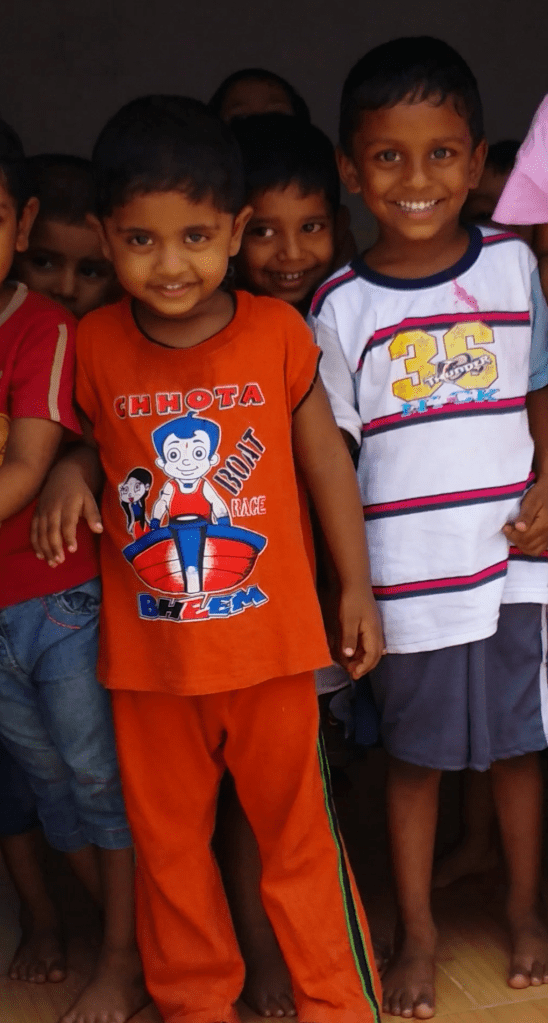
Image courtesy of Sissey
My wandered back to Burma, being lead by the kids through a dirt pathway surrounded by tall grasses. Young girls strung the sweetest smelling white flowers throughout my hair—tiny butter cup blossoms that smelled like honey. One of the young baby girls I held already fell asleep in my lap. She was pacing the floor earlier, waddling around in her tiny pink shoes. I served meals to the kids that day, along with the other students. We ended up sitting on the ground with the kids in the dirt, eating stringed beans, cooked vegetables and rice on metal dishes with large spoons. Everyone curled up on the ground like one big, happy family. I suddenly felt like I was surrounded by family, and it was a perfect feeling.
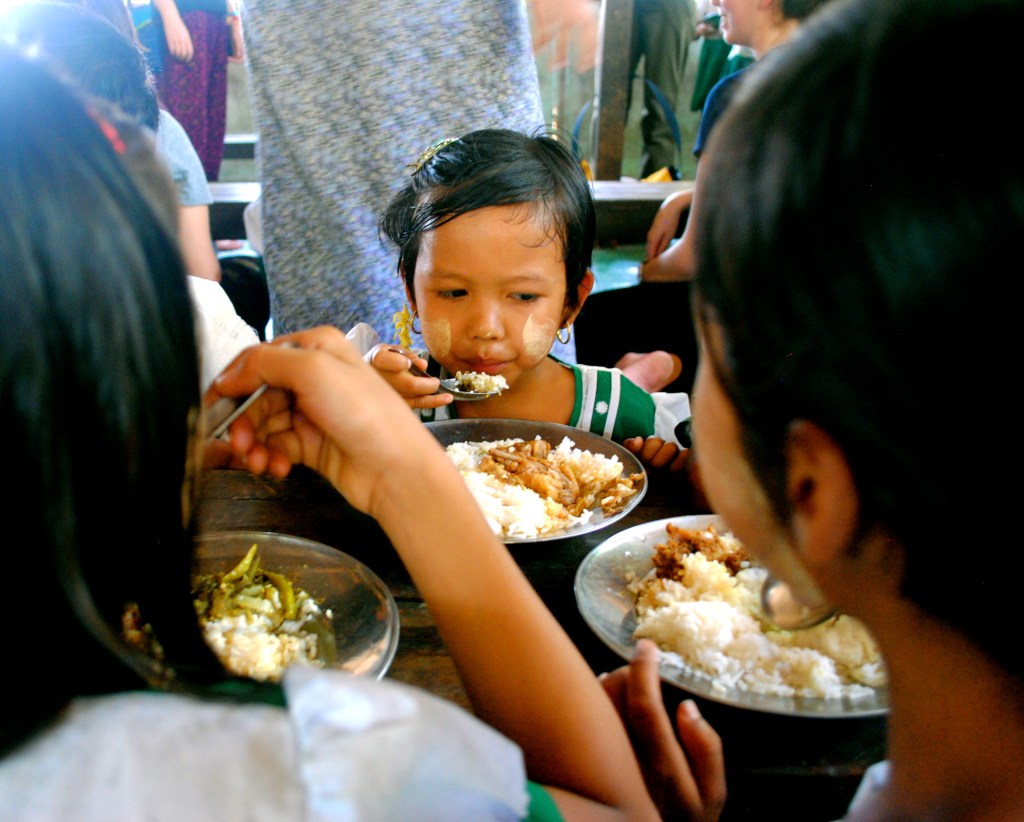
Image courtesy of Sissey
In contrast to the type of orphanage my grandmother grew up in, I found that most of the orphanages I visited were more like a home environment. Some of the orphans in fact, didn’t want to leave and found it difficult to function on their own, almost unable to take care of themselves after hitting the age of eighteen. So, most of the orphanages I visited were creating centers for young teens to learn hands-on skills to equip them for adulthood, from carpentry, to preparing for exams for entering college someday.
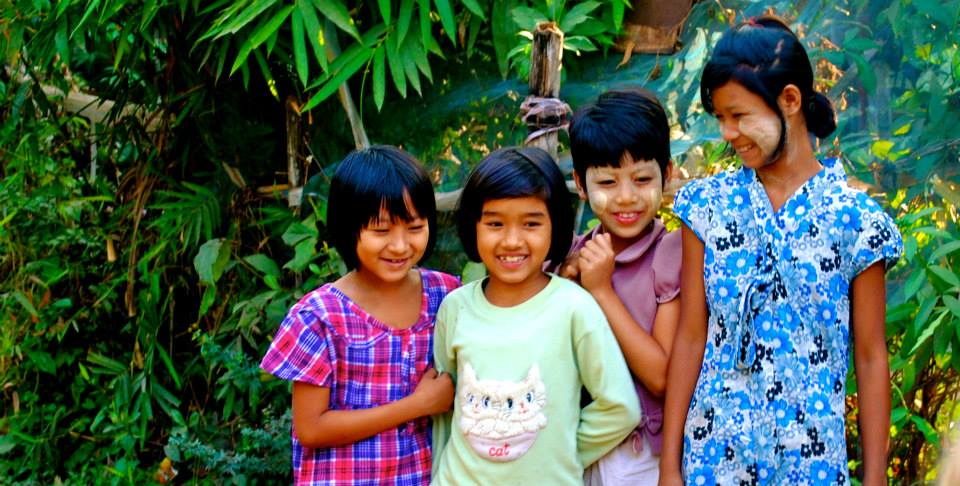
Image courtesy of Sissey
We kept walking through the townships to follow the group. I still had Nando on my hip. She was running her tiny fingers through my strawberry blonde hair, trying to weave my fine strands into tiny braids which stubbornly kept falling out. My guide saw me and threw back his head laughing.
“It’s time to go now,” he said.
At that moment, I instantaneously felt like my heart—a balloon full of memories—had just popped. Nando seemed reluctant too, like she wanted me to stay longer. As I tried to set her down on the ground, she hung her feet over the dirt, refusing to let them land.
“You have to go?” she asked, cocking her head to the side like a puppy. She kept dangling her feet and flashed her beautiful smile. She was so sweetly persistent, and all I did was nod. After twirling her around five more times, she giggled dizzily, allowing her feet to finally touch the ground.
“Will you come back?” she asked. She searched my eyes. That’s when I froze in thought.
I didn’t want these precious kids to be just left behind in the shadows of my memory. No. At that moment, I believed, I would come back. Yes. I made up my mind confidently. My quest had only begun, and at that moment I decided this was going to be a continual search of mine. I stroked her soft cheek and whispered in her ear.
“I’ll be back.”
I hopped back on the bicycle and followed the group to the bus. Nando stood there, waving in the shadows, before the stars began to twinkle and the cicadas cricketed as the dusk settled. I biked away.
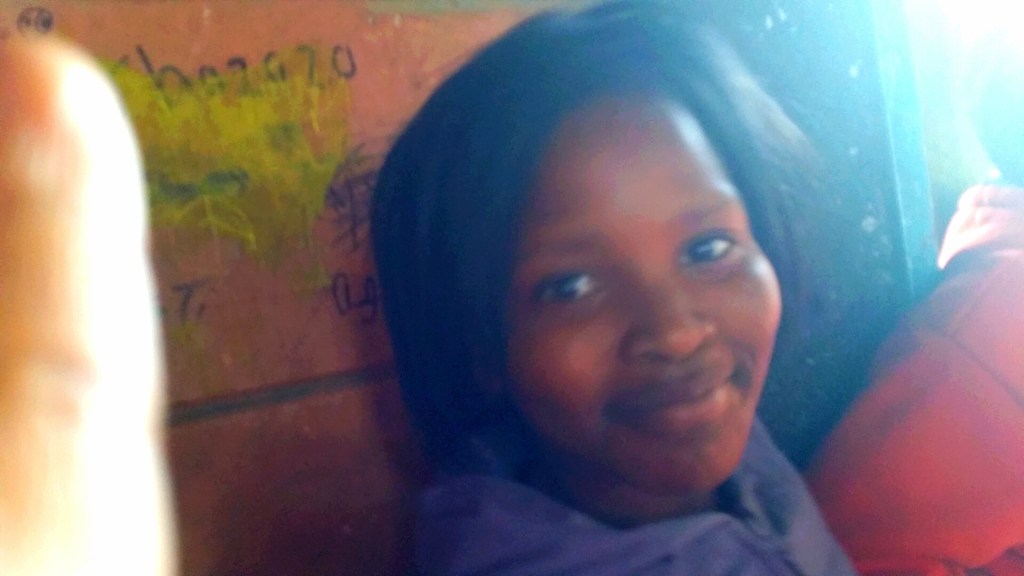
Image courtesy of Sissey
I realize in life, what is love without action? I believe that in order to change the world, we may have to simply do something about it, no matter how little it may seem at the moment. We should avoid sitting around just talking or dreaming. During each service visit, I’ve tried to give as much as I can while there. And that doesn’t always mean material possessions. Giving time can be even more rewarding.
By interacting and just listening, letting them talk and ask questions, I learned so much more than talking about myself. This could mean just sitting on a floor and getting dirty with the kids, colouring with broken crayons, running in the hot Burmese sun barefooted in a field. It’s setting down your camera so you’re not the one getting caught up in a world of photos. It’s soaking up their world, and forgetting your own, to gain a bigger heart for people. To become something bigger than yourself, ultimately.
I found that one of the best parts of my trip is hanging my camera around the neck of some of the orphans (with guidance of course), and saying, “Your turn. You point and shoot.” Some of the coolest photos I’ve gotten from my trip are from those talented little kids who wrap their tiny little fingers around my Nikon lense and zoom into a world at their own level, in their own eyes. These kids are the faces of the future.

Image courtesy of Sissey
I had one more service visit, to an orphanage in Casablanca, but it won’t end there. These kids symbolise passion, determination, and strength. They’ve inspired me and will forever be in my heart. Now I realise, we are only parted by the oceans.
❦
Want to make a difference in young people’s lives? I recommend supporting two of my favorite causes. Worldwide, there are over 62 million girls denied education. Every day, worldwide, women and girls spend nearly 200 million hours walking for water. 80% of all trafficking victims are women & girls. Project GRL is an initiative of Hand of Hope, Joyce Meyer Ministries World Missions, birthed out of Joyce’s heart to see young women across the globe healed and restored, just as she has been. Joyce’s messages have affected my life in a positive way forever. Click HERE to find out more.
Exodus Cry is an international non-profit organization committed to abolishing sex trafficking and the commercial sex industry while assisting and empowering its victims. Find out more by clicking HERE.
Another cause that I believe in is #ENDITMOVEMENT, a coalition of the leading organizations in the world in the fight for freedom. Each of our amazing coalition partners are doing the work, on the ground, everyday, to bring awareness prevention, rescue, and restoration. Find out more by clicking HERE.

Image courtesy of Sissey, Indian Ocean
 Home
Home 